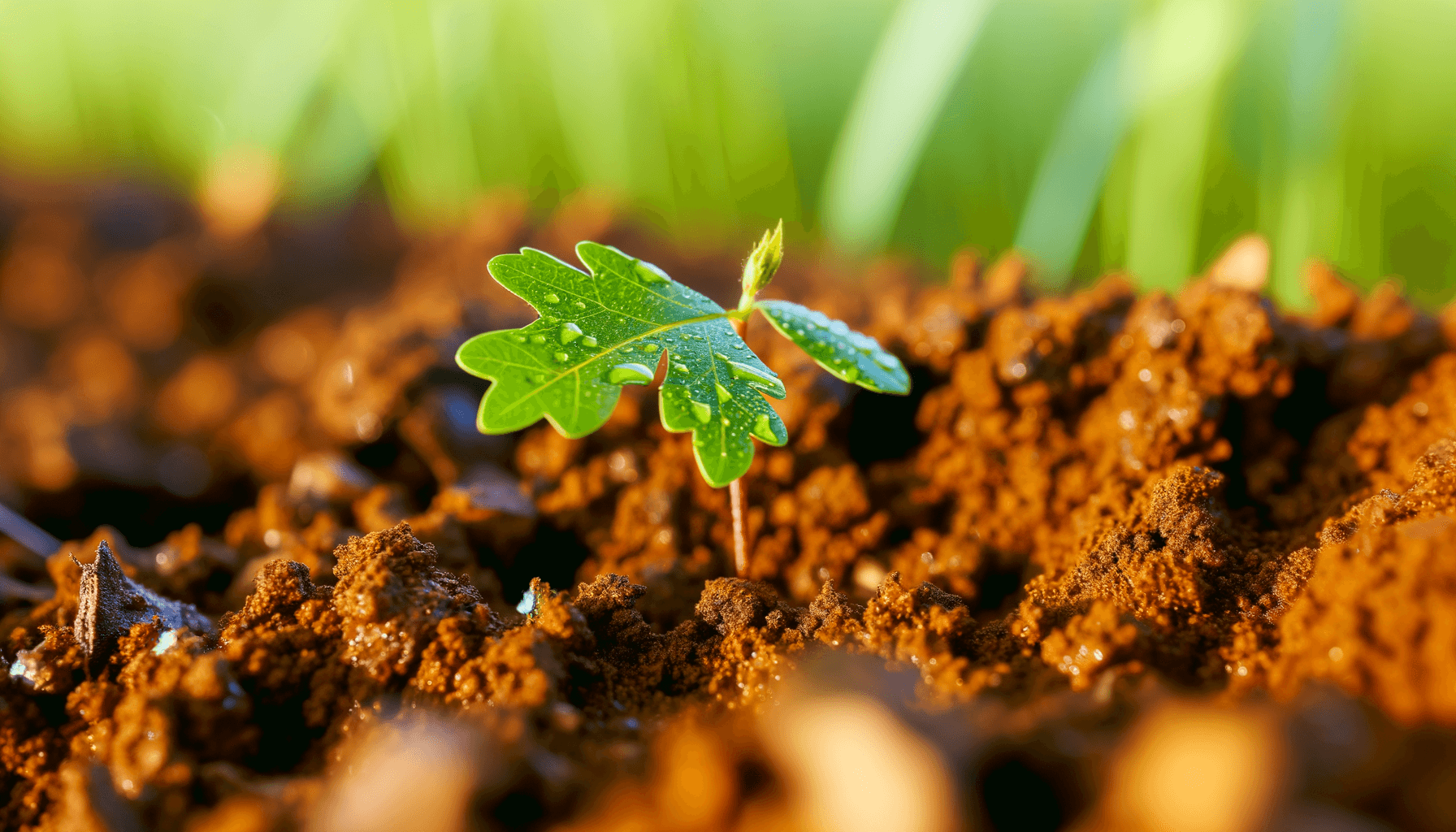
Topsoil is not a product you buy once. It is a process — fungi, roots, worms, and leaf fall stacking organic matter into mineral ground over years.
On Wesley Woods, topsoil building ties directly to the five-year restoration plan.
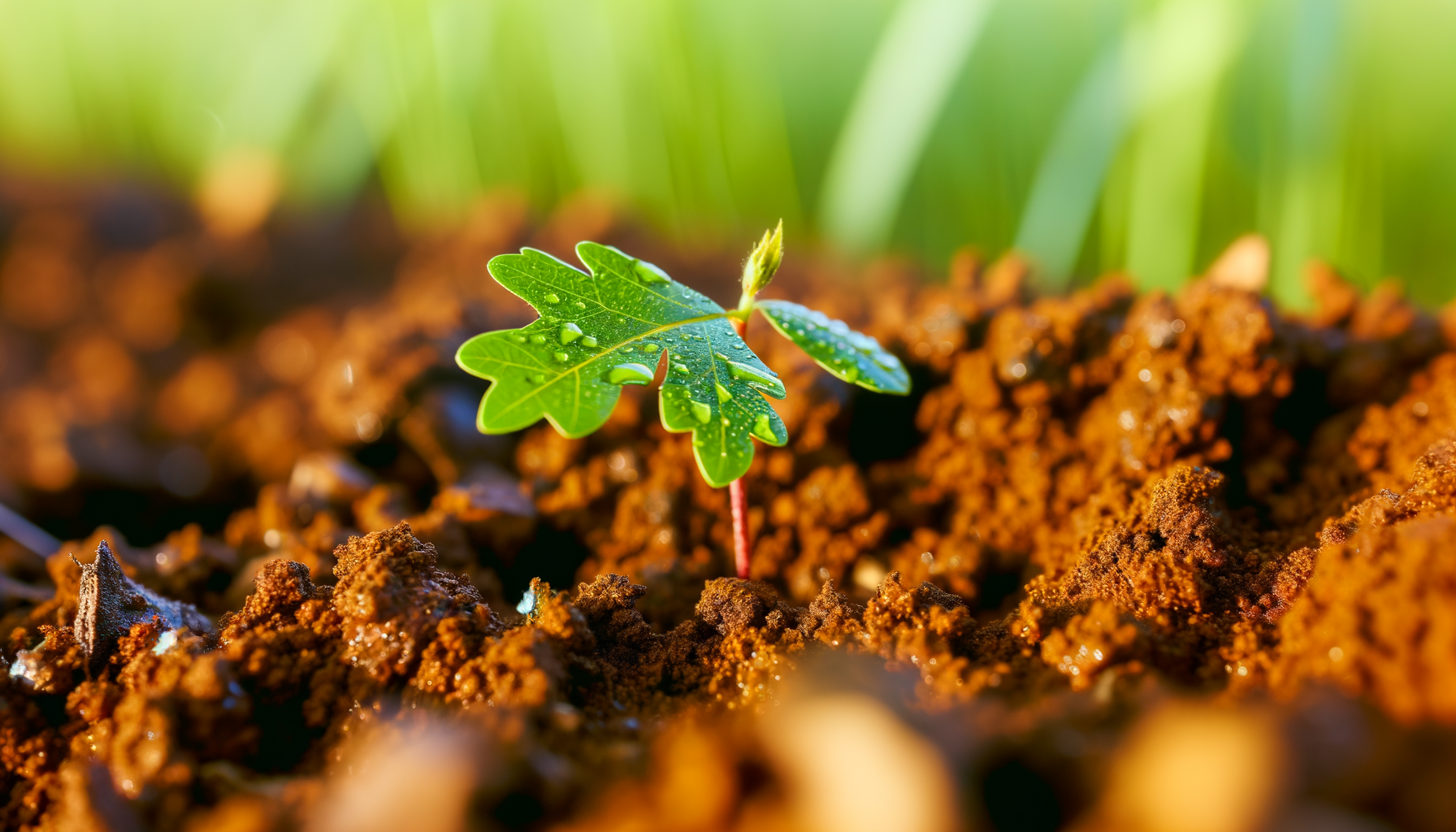
What "living topsoil" means
- Dark color from humus, not just wetness
- Crumb structure — holds air and water
- Worms and fungi visible when you dig a shovelful
- Water soaks in instead of running off — see dry dirt signals
Five-year layers
Years 1–2 — Stop the loss
- No bare export of leaf volume — rake and compost on site
- Erosion control on slope — logs on contour
- Reduce compaction on trails
Years 2–3 — Add biology
- Hot compost from leaves + invasive pullings
- Mucking — spread finished compost thin on degraded patches, not buried deep
- Leave fine woody debris where it does not fire-risk — dead wood rules
Years 3–5 — Plant succession
- Native ground layer — sedges, ferns, wildflower where sun allows
- Oak and maple seedlings protected from deer
- Roots exude carbon; mycorrhizae link trees to soil
Hover or tap the circles on this image to view product details.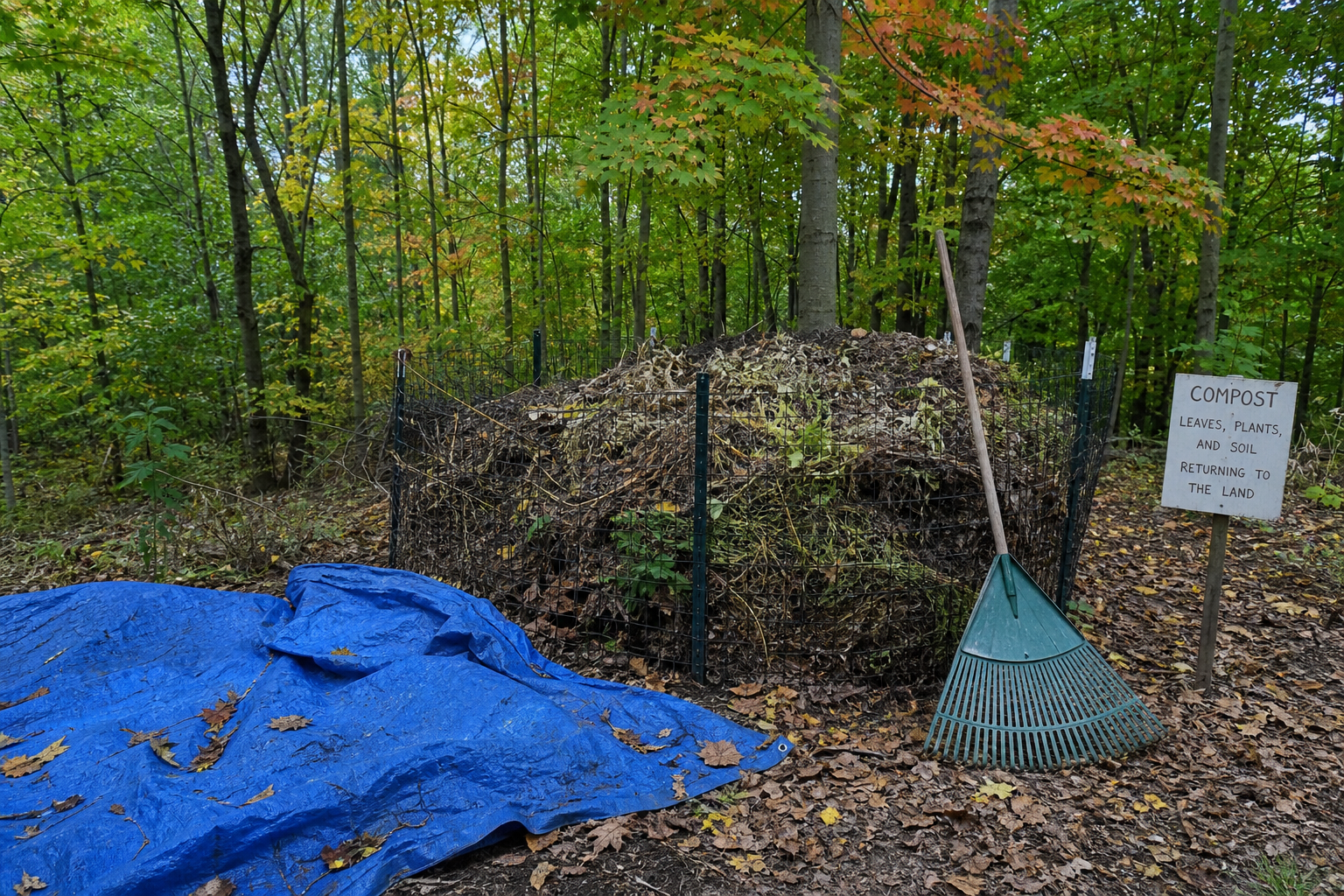
Mucking — plain language
Mucking here means spreading organic-rich material (compost, leaf mold, fine duff) on the surface — half inch to two inches, not buried clay cap. Let worms pull it down.
Measure progress
- Photo same spot each fall
- Shovel test — depth of dark band above subsoil
- Acorn layer when you till — thousands of nuts in rich soil means the sponge works — Native Oaks
Five years will not finish the job. It will reverse direction — from loss to gain.