The discovery did not start with wildlife theories. It started with tilling.
Working dark, rich soil on the Wesley Woods lot — the kind of ground that feels like it wants to be a garden — the tiller kept hitting acorns. Not a handful. Thousands. Layered in the soil, dark and firm, mixed through the top few inches where organic matter and moisture had collected for years.
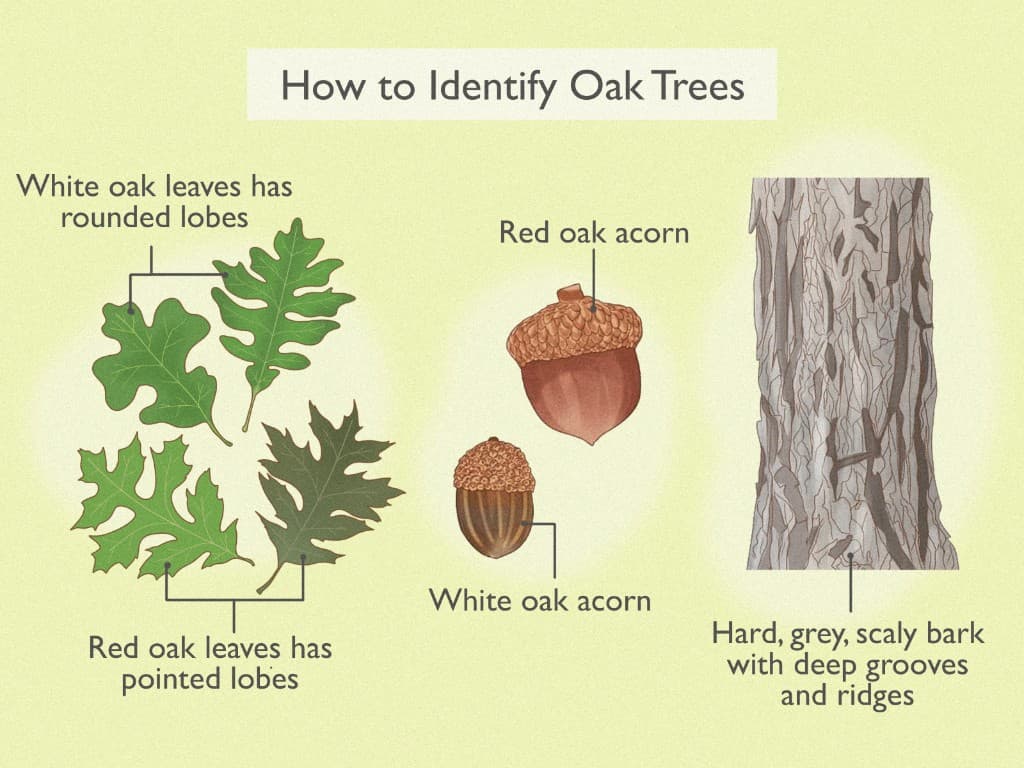
We stopped and asked the obvious question: what are these seeds?
A little research pointed straight to oak. Good tree. Long-lived. Worth keeping on a restoration lot that is mostly maple canopy right now. No mature oak trunk stands on the interior of the parcel — which is its own puzzle — but the seed bank in the dirt is real and already there.
Why so many nuts underground
Acorns do not always sit on top of the leaf litter. Over many seasons they can work into the soil — washed in by rain, buried by frost heave, pushed under by years of leaf decay and disturbance. Tillage brings them back up all at once. That is what happened here.
One working theory for the missing parent tree: an old road or ROW oak removed when the street was cut, while nuts kept accumulating in the soil from nearby trees and past drops. We are still reading that boundary story through our monument box and ROW work. The main fact today is simpler: the soil already holds oak seed.
The Native Oaks initiative
The Foundation is grouping this work under Native Oaks:
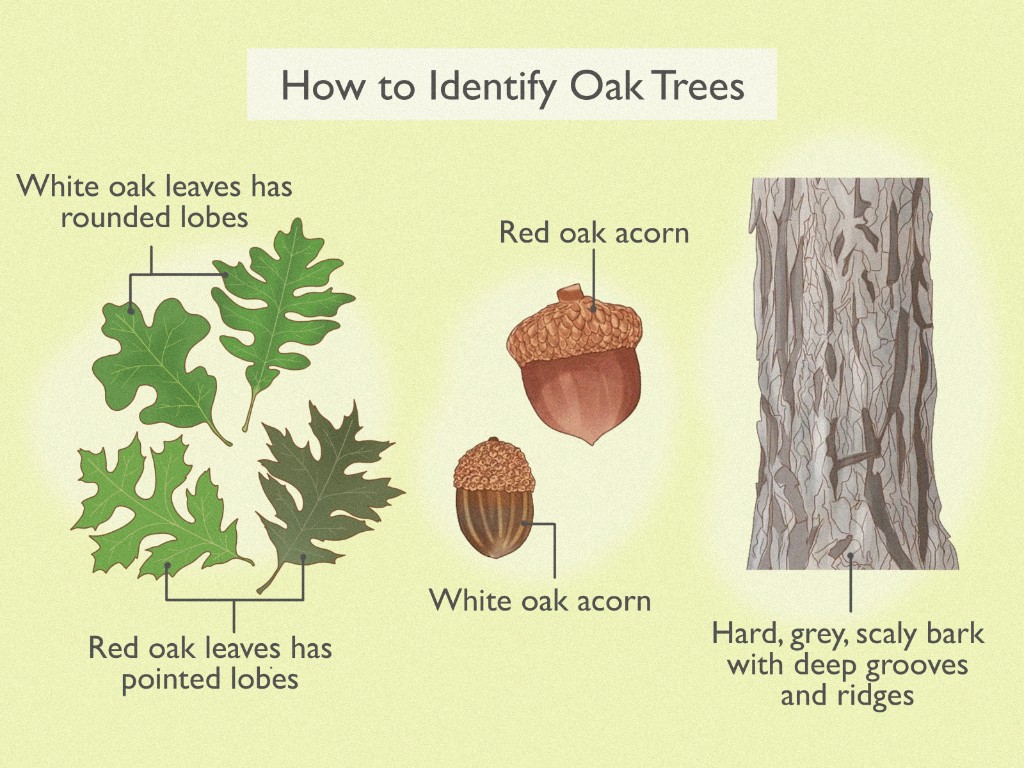
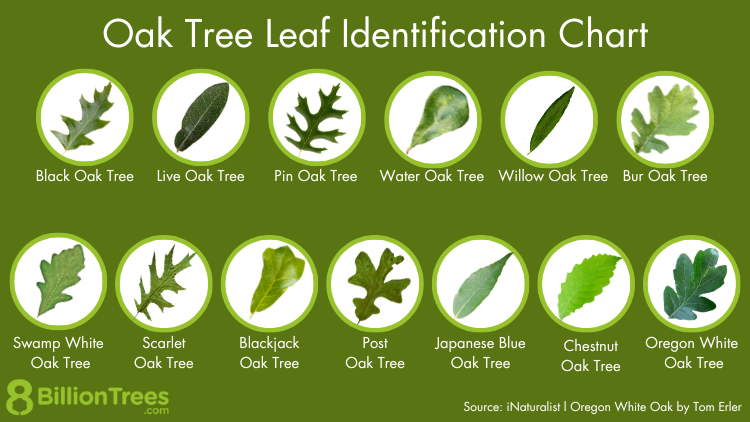
- Identify the nuts — acorn ID guide, oak tree ID guide
- Sort the best firm, dark nuts from the tiller pass
- Plant in the center clearing where maple pruning opened sun
- Protect seedlings from mow and compaction
This is not lawn conversion. It is bringing oaks back inside a maple woodland that already has good soil in places — and dry fill in others.
Can you bury them in dry dirt?
You have two soils on site: the dark rich tilled ground where the acorns showed up, and dry dirt elsewhere.
Use the dark rich soil if you can. That is where the nuts already lived. It holds moisture and organic matter. Oaks are not tomatoes, but they respond to the same basic rule: roots need contact with living soil, not powder.
If you only have dry dirt available:
- Do not plant in dry dirt alone — mix in leaf duff, compost, or some of the dark tilled soil you already have
- Plant about one inch deep, a few inches apart — not a solid bucket jammed full
- Keep the bed damp through fall — dry on the surface is fine; dry all the way through is not
- White oak group nuts may sprout the same season if moisture holds
- Red oak group nuts often sit until spring after winter cold — patience matters
The clearing in the maple woods you pruned has enough sun for young oaks. They want light early. They will handle more shade later.
What we are trying:
- Save the best nuts from the tilled patch
- Move them to the central clearing in mixed soil — not straight dry fill
- Water once, then check weekly — damp like a wrung sponge, not a swamp
- Flag the rows and note cap shape if we can ID white vs red oak group
Why it matters
Maple is the heart of this property. Native oaks add a second pillar — wildlife food, deep roots, structure that outlasts a single canopy cycle. Finding thousands of acorns in garden-quality soil is a gift. The job now is to sort, plant, and protect what the ground was already holding.
That is the Native Oaks initiative: till the soil, read what comes up, identify it, plant the good nuts where the sun is, and let oaks join the maples.