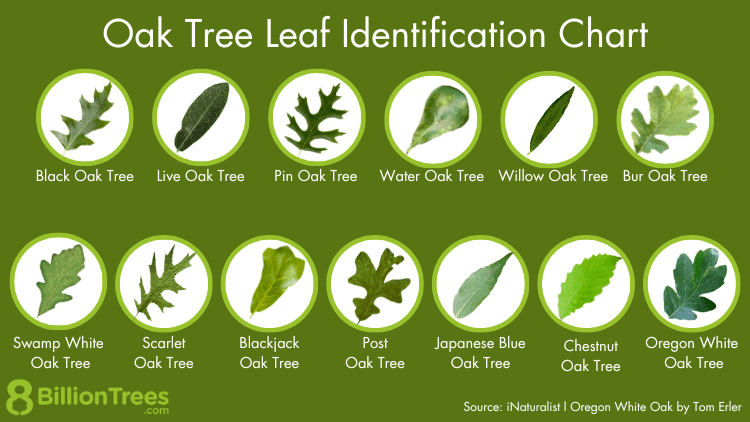
Find a handful of acorns on a trail and most people shrug. Foresters and curious landowners pick them up. In Northeast Ohio, the cap shape, nut size, and surface pattern usually place the nut in the white oak group or the red oak group within seconds.
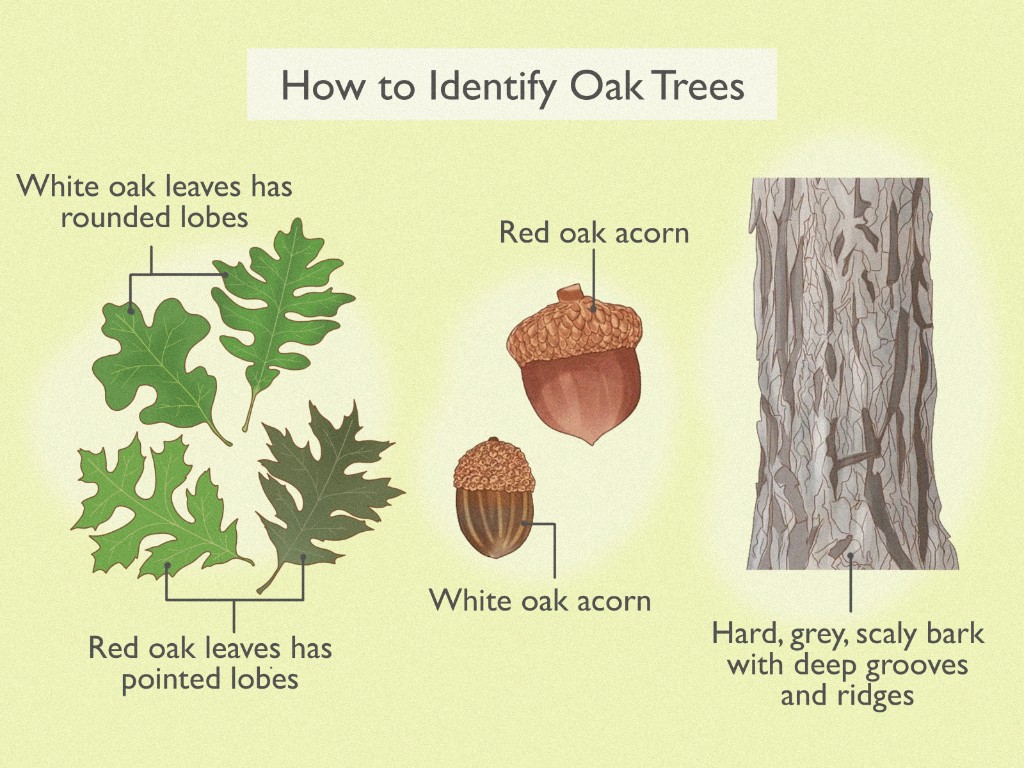
White oak group acorns
Look for:
- Nut often smaller, oval, sometimes striped
- Cap wraps the nut like a knobby bowl — covers a third or more
- Mature tree nearby with rounded leaf lobes
White oak acorns tend to germinate soon after falling if soil stays moist — bury them in fall and keep the bed damp.
Common on our side of the state: white oak, swamp white oak, bur oak (bur oak nuts are huge — hard to miss).
Red oak group acorns
Look for:
- Nut often larger, rounder
- Cap is thin and flat — sits on top like a lid, not a cup
- Parent tree has pointed, bristle-tipped leaves
Red oak acorns usually wait until spring to germinate. They need winter cold in the soil — called stratification. A bucket of dry dirt in October may do nothing until next year even if the nut looks perfect.
Common locally: northern red oak, black oak, pin oak, scarlet oak.
Fast comparison
| Clue | White oak group | Red oak group |
|---|---|---|
| Cap | Deep bowl, knobby | Flat, shallow lid |
| Nut size | Often smaller | Often larger |
| Leaf (if nearby) | Rounded lobes | Pointed bristle tips |
| Germination | Same fall if moist | Next spring after cold |
Acorns with no oak in sight
At Wesley Woods we found thousands buried in dark rich soil while tilling — garden-quality dirt — with no mature oak on the interior of the lot. Nuts can accumulate underground over many seasons without anyone noticing until the soil gets turned.
Road work may have removed an old street-row oak decades ago. Neighbor trees may still be dropping nuts that wash and settle into low, organic pockets. See our Native Oaks initiative for the full site story.
Dark, firm acorns in that rich tilled soil are often still viable. Pale, hollow, or worm-eaten nuts are not worth planting.
What to do with a good nut
Your best soil is the dark rich dirt where the acorns already were. If you also have dry fill elsewhere, do not use it straight — mix the two, or add leaf duff and compost until it holds moisture like a garden bed.
For a bucket or patch in the clearing:
- Sort — firm dark nuts first; skip anything soft or drilled with holes
- Use mixed soil — rich tilled dirt beats dry powder every time
- Plant one inch deep, several inches apart
- Keep moist not soggy through fall and winter
- Mark the spot — oaks are slow; you will forget where you put them
Sun through a maple canopy opening is enough for seedlings. They want light early; they will tolerate shade later as the canopy closes.
Identification comes first. Planting comes second. Both start on the ground where the acorns already landed.