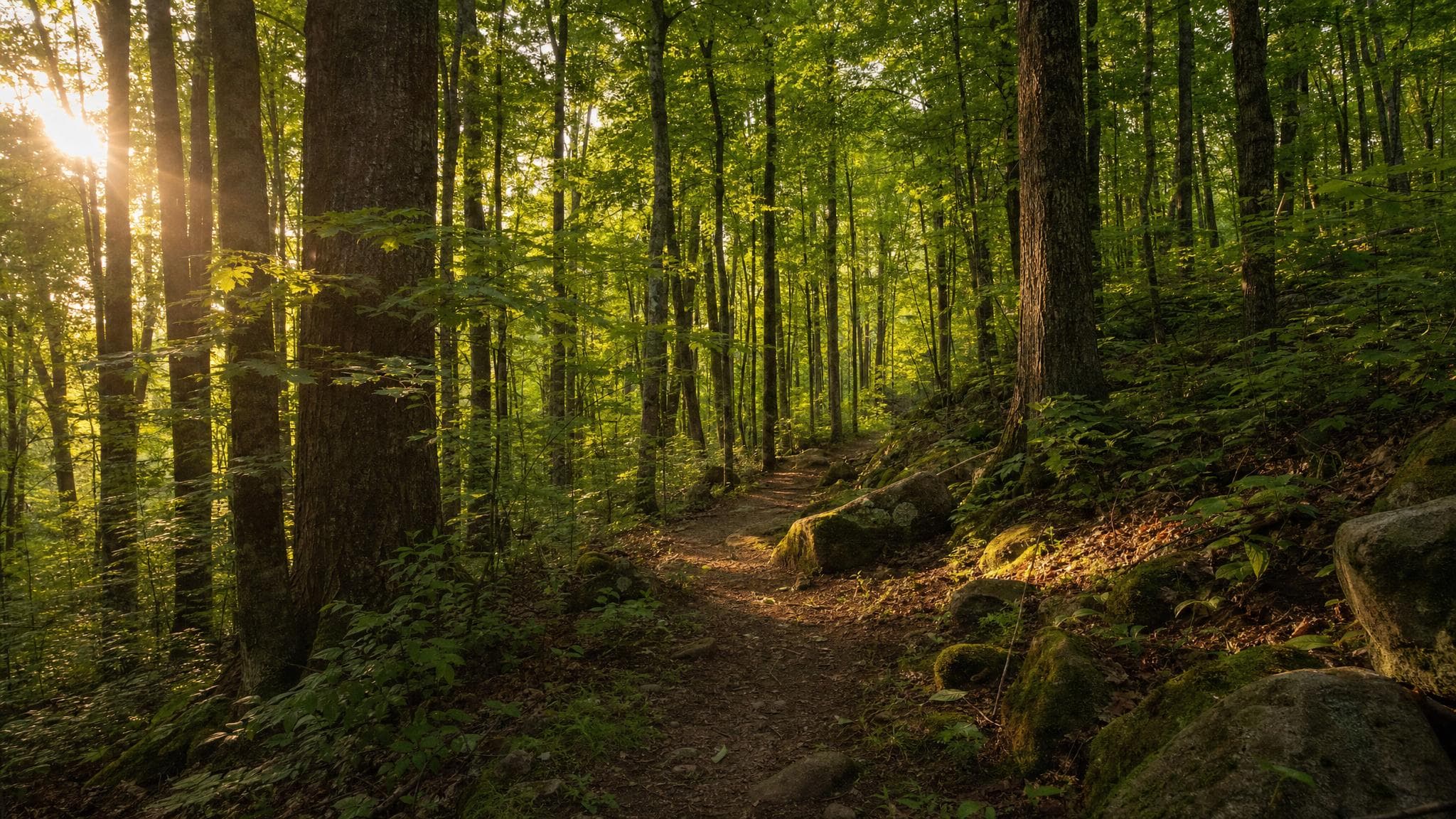
The Strongsville Board of Zoning Appeals exists to handle the cases that the zoning code, by itself, cannot fairly address. Zoning codes are written for typical properties and typical uses. When a specific parcel has unusual physical characteristics — a steep slope, an odd shape, a natural drainage course, mature trees that constrain where structures can go — the Board provides the process for evaluating whether strict application of the code creates an unfair outcome, and whether a variance is warranted.
This is not a loophole. It is a designed part of the system. The Wesley Family Foundation has worked through this process directly in seeking a variance for improvements at Wesley Woods, and this article shares what we have learned about how the process works.
What a Variance Is — and Isn't
A variance is permission to deviate from a specific dimensional or use requirement of the zoning code — a setback, a structure size limit, a height limit — based on demonstrated hardship and unique property conditions.
A variance is not a rezoning. It does not change the underlying zoning classification of the property. It does not require a city council vote. It is a narrow, property-specific administrative approval granted by the Board of Zoning Appeals when the applicant demonstrates that all required criteria are met.
For properties with demonstrable physical uniqueness — and for uses that are straightforwardly consistent with the land's existing character and designation — the variance process is a direct, appropriate, and relatively contained procedure.
The Four Criteria: Section 1248.08
The Strongsville Board of Zoning Appeals operates under Section 1248.08 of the City Codified Ordinances. To approve a variance, the Board must find that all four of the following conditions are present. The applicant must substantiate each one with evidence.
(a) Unnecessary Hardship
What it means: Strict application of the zoning code creates a genuine hardship unique to this property — not caused by the applicant's own choices — that goes beyond mere inconvenience or a desire for something larger.
What you must show: Explain specifically why the rule in question creates a real, practical problem on this particular lot. The hardship must be tied to the property's physical characteristics, not to a preference or financial consideration.
For Wesley Woods: The property's steep wooded slope means there is no practical, compliant location for accessory storage that would meet standard setback requirements without encroaching on the ecologically sensitive forested rear of the property. The hardship is physical, specific to this lot, and not the result of any choice the Foundation has made.
(b) Exceptional Circumstances Unique to This Property
What it means: There are specific physical conditions on your property — topography, unusual shape, drainage, natural features, mature vegetation — that distinguish it from typical properties in the same zoning district.
What you must show: Document those conditions with evidence. Survey data, photographs, topographic maps, drainage information, tree surveys — anything that concretely establishes what is unique about the parcel.
For Wesley Woods: The property contains a significant wooded hillside, a natural drainage corridor, a creek, and a dense canopy of mature Sugar Maples. These features are not shared by neighboring residential lots. The property is managed as an active native habitat restoration area — a use that has no equivalent among surrounding parcels in the R1-75 district.
(c) No Material Detriment to the Neighborhood
What it means: The variance, if granted, will not harm neighboring property owners or the neighborhood in terms of appearance, property values, drainage, privacy, or noise.
What you must show: Demonstrate that your proposal is low-impact and compatible with the surrounding neighborhood. The fact that neighboring properties already have similar structures is directly relevant.
For Wesley Woods: The proposed accessory structure is smaller than the sheds and outbuildings already present on adjacent properties along the same wooded slope. It will be screened from view by existing vegetation and serves functional land maintenance purposes only.
(d) Consistent with the Intent of the Zoning Code
What it means: Even though you are asking to deviate from a specific requirement, your project should support the overall goals and spirit of the zoning code — responsible land use, neighborhood character, environmental protection.
What you must show: Frame your project in terms of what zoning is trying to protect. Show how your project advances those goals rather than undermining them.
For Wesley Woods: Active ecological stewardship — invasive species removal, erosion control, native replanting, trail maintenance — is exactly the kind of responsible private land management that zoning codes for residential districts are designed to support and protect. The variance seeks the minimum infrastructure necessary to support that work.
The Process: What to Expect
Pre-application: Speak informally with Strongsville's planning or zoning staff to confirm the correct variance type, understand current BZA scheduling, and get feedback on application requirements.
The Application: Submit a completed application form, a site plan showing the property and proposed structures with setbacks and relevant physical features, photographs documenting existing conditions, and a written narrative addressing each of the four Section 1248.08 criteria with supporting evidence.
Notice to Neighbors: The city notifies property owners within 500 feet of the subject property. Adjacent landowners have the right to submit written comments and appear at the public hearing.
The Public Hearing: The BZA holds a public hearing. The applicant presents the case, any interested parties may speak, and the Board asks questions. The hearing is a factual and legal review — the Board applies the four statutory criteria to the evidence presented.
Decision: The Board issues a written decision. If the variance is approved, it typically includes conditions of approval.
A Practical Note on Preparation
The Board must find all four criteria present to approve a variance. The most effective applications lead with physical evidence, connect each criterion directly to conditions on this specific property, address the "no detriment" criterion proactively with reference to existing neighborhood conditions, and emphasize how the proposed use is consistent with — not in tension with — the intent of the underlying zoning.
For questions about the Foundation's application or the variance process generally, contact the Foundation through the website's contact page.