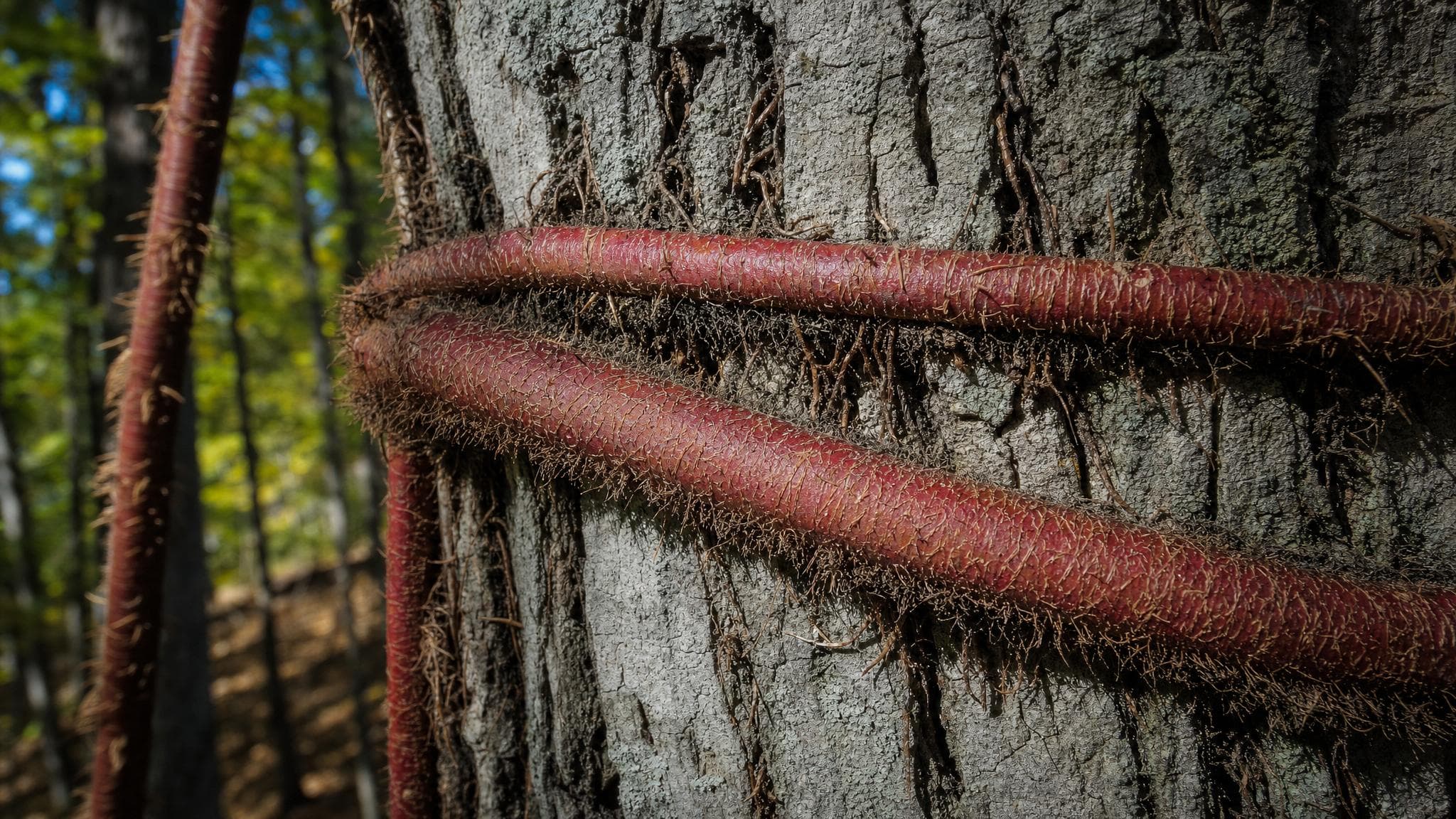
Walk into the wooded lot at Wesley Woods in Strongsville on any given weekend this spring, and you might hear the rhythmic snipping of pruning shears and the occasional crack of a vine being pulled free from a centuries-old trunk. The sound, volunteers say, is the sound of rescue.
The Wesley Stump Family Foundation's "Foundation" project — an ambitious, long-term ecological restoration effort on a wooded parcel in Strongsville — has identified invasive red poison vines as one of the most urgent threats facing the property's prized collection of mature Sugar Maple trees, and work crews have been methodically dismantling the vines throughout the spring season.
"These vines are deceptively destructive," said one restoration volunteer working on the site. "They spiral around the trunk, they get into the canopy, and eventually they're competing for every bit of light and moisture the tree needs. Left alone for another decade, some of these maples would have been choked out entirely."
The red poison vines — identified on site in dense concentrations along the steeper, shadier sections of the property — present a two-pronged problem. First, they physically constrict trunks as they thicken, gradually compressing bark and interfering with the tree's ability to transport nutrients. Second, they climb aggressively into upper canopy branches, blocking the sunlight that maples depend on for photosynthesis and robust foliage growth.
Volunteers have been cutting vines at the base, carefully removing them from trunks, and in many cases treating the exposed root stumps to prevent regrowth. The work is painstaking — thick, established vines must be removed in sections — but the results are already visible. Several trees that had appeared sparse and stressed are beginning to show improved crown density after just one growing season of relief.
Beyond aesthetics, the restoration team notes that healthier root systems are the real prize. Sugar Maples under chronic vine stress often develop shallow, compromised roots that make them vulnerable to wind throw and drought. Freed from competition, the trees can redirect energy downward, establishing deeper, more resilient root networks.
There's another payoff that locals may notice come October. Sugar Maples are the crown jewel of Northeast Ohio's fall foliage season, and stressed trees are often the first to produce dull, muted color. As the Foundation's work progresses, the expectation is that the property will offer an increasingly vivid display of amber, orange, and crimson each autumn.
"We want this to be a place where people feel the seasons," said a Foundation spokesperson. "The maples are the heartbeat of this property. Saving them is saving the whole ecosystem."
The vine removal effort is ongoing, with additional clearing planned throughout the summer months.