The Wesley Stump Family Foundation's restoration project in Strongsville has always been about more than trees and trails. From the beginning, the Foundation has cast its wooded property as a living classroom — a place where people of all ages can engage with the natural world in meaningful, hands-on ways. Now, that educational vision is expanding in an unexpected and forward-looking direction: electric bicycle safety.
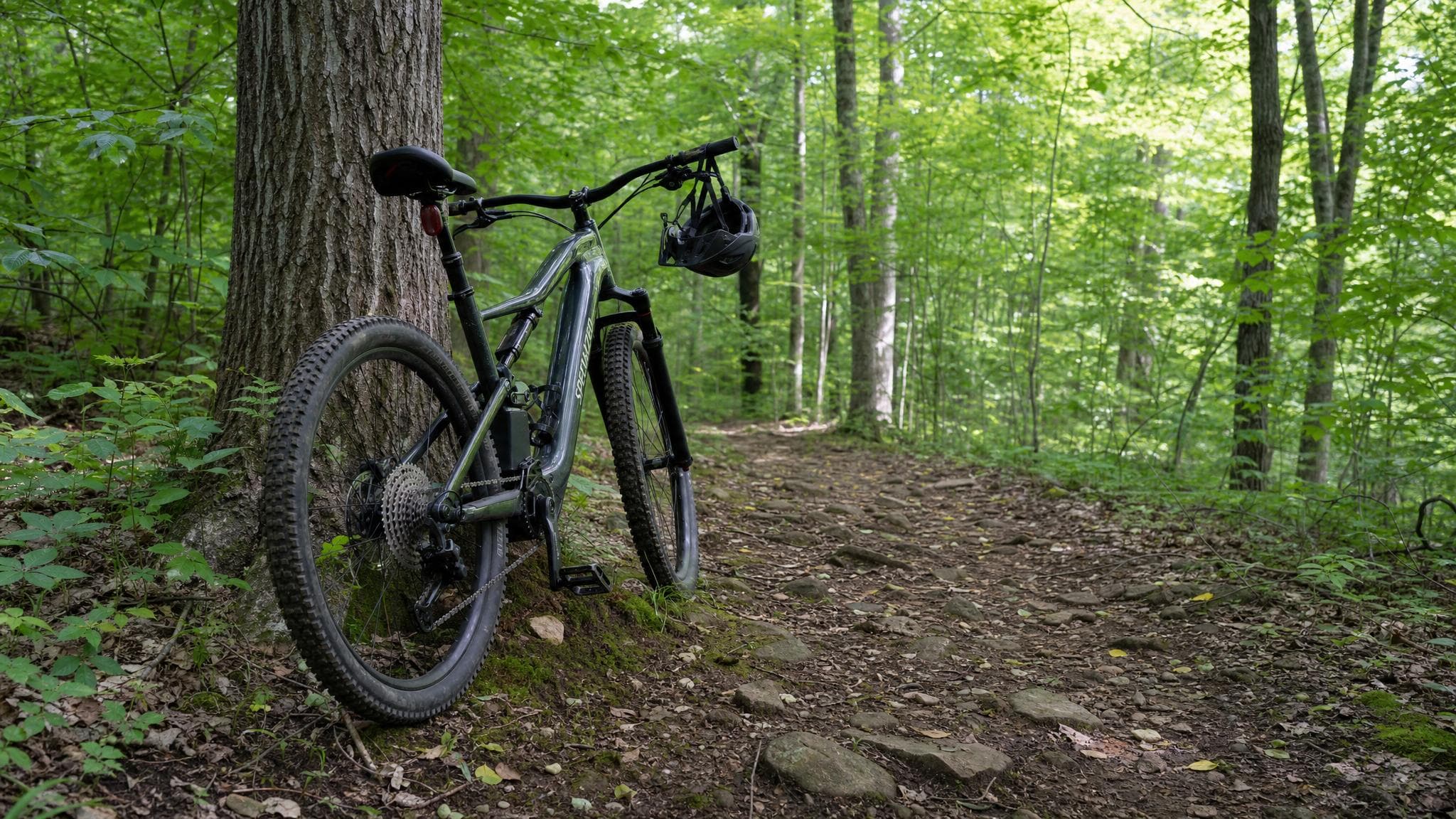
Foundation planners are exploring the development of a dedicated study trail on the property designed specifically for electric bicycle and electric mountain bicycle — or e-MTB — safety education. The proposed corridor would wind through select sections of the restored landscape, utilizing existing trail infrastructure while incorporating features designed to teach responsible riding techniques, terrain awareness, and the unique handling characteristics of pedal-assist and full-electric two-wheelers.
"E-bikes are everywhere now," said a Foundation spokesperson. "Kids have them, adults have them, and a lot of people are riding them on terrain they're not fully prepared for. We think there's real value in creating a space where people can learn to ride safely before they find out the hard way on a public trail."
Electric mountain bikes present a distinct set of safety considerations compared to traditional bicycles. Their added weight — often 45 to 70 pounds — combined with pedal-assist motors that can sustain speeds well beyond what a rider might reach under their own power, changes the physics of braking, cornering, and navigating uneven terrain. On a steep, rooted hillside like sections of the Foundation property, those differences are not trivial.
The proposed trail would be designed with graduated difficulty, starting with flat, controlled sections suitable for beginners and newer e-bike riders before introducing gentle inclines, soft turns, and eventually the kind of rooted, variable-surface terrain that characterizes the property's natural wooded slope. Log features — consistent with the Foundation's commitment to using on-site timber — would serve as low-speed technical skill stations.
The safety corridor is envisioned as a functional testing and training route for authorized riders on the property, designed around the actual terrain and grade changes that e-bikes and e-mountain bikes encounter on the wooded hillside.
Safety signage, proper trail drainage, and surface stabilization would all be incorporated into the trail design from the ground up — lessons already learned from the Foundation's existing slope trail work.
"We've built trails for walking," said one Foundation team member. "Building a trail for learning feels like a natural next step. The land is already teaching people things. We're just adding a new subject."
Planning and design for the e-bike safety corridor is expected to begin in late 2026, with construction phased alongside broader property improvements.